
hassan@opplecottage.com
- September 26, 2026
- 0 Comments
Why Home Electrical Wiring Matters for Safety, Comfort, and Everyday Living
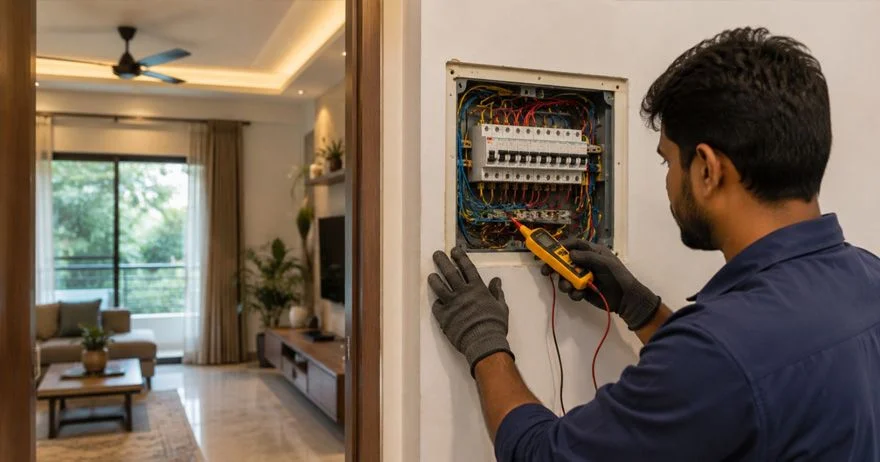
Paint and attractive furnishings can transform a house, but the systems behind the walls deserve just as much attention. Home electrical wiring supports everything from kitchen appliances and lighting to home offices and charging stations. When that infrastructure no longer matches how a household lives, everyday tasks can become inconvenient, and underlying problems may need professional attention. Whether you are renovating an older property or planning a new home, understanding the importance of electrical wiring helps you make better decisions about comfort, functionality, and future improvements. Home Electrical Wiring Is Essential to Household Safety A residential electrical system needs more than working outlets. Its wiring, connections, circuit protection, and other components must function together. Damaged insulation, deteriorated connections, and unsuitable modifications can create hazards that remain hidden behind finished walls. Warning signs include frequent breaker trips, buzzing outlets, discolored wall plates, and persistent flickering lights. These symptoms do not establish a specific diagnosis, but they warrant evaluation by a qualified electrician. Repeatedly resetting a breaker without investigating the cause can leave the underlying problem unresolved. Electrical Safety Foundation International A professional assessment helps distinguish an isolated repair from a broader wiring concern. Modern House Wiring Supports Changing Electrical Demands Think about how differently homes operate today. A spare bedroom may now contain multiple monitors, computers, and office equipment. A garage might need power for tools or an electric vehicle charger. Kitchen renovations can introduce appliances with different electrical requirements. Before adding equipment, an electrician can assess existing circuits and determine whether changes are appropriate. Installing another outlet does not automatically increase the capacity of the circuit supplying it. Planning electrical improvements around actual household needs helps avoid a mismatch between new purchases and the infrastructure expected to power them. It also creates an opportunity to discuss future projects before construction begins. Electrical Outlet Installation Improves Everyday Convenience Outlet placement influences how comfortable a room feels. A living room with poorly positioned receptacles can limit furniture arrangements. A home office may leave charging cables stretched across workspaces. A kitchen layout may put convenient power access far from the surfaces where people actually prepare food. During a remodel, discuss furniture, appliances, and daily routines with your electrician. Explain where you plan to work, cook, relax, and charge devices. Thoughtful electrical outlet installation makes those activities easier to accommodate. The electrician can also evaluate circuit capacity and appropriate protective devices, rather than simply adding receptacles wherever an empty wall is available. House Rewiring Should Be Based on Condition and Needs An older home does not automatically require complete rewiring. The appropriate scope depends on the condition of its electrical system, previous alterations, and the work you want to undertake. Some properties need targeted repairs or additional circuits. Others may require more extensive replacement. A professional evaluation helps establish which approach fits the home. Ask for a written explanation of the recommended work. Understand which areas will be affected, whether walls need to be opened, and who will handle finish repairs. Clear expectations make it easier to compare estimates and coordinate the electrical work with other improvements. Plan Electrical Wiring Upgrades Before Remodeling Electrical planning belongs near the beginning of a renovation. Waiting until cabinets are installed or walls are finished can complicate decisions that would have been simpler earlier. Share appliance specifications, lighting plans, and intended room uses with your electrician before finalizing the layout. Consider potential future needs, such as converting a room into an office or adding equipment in the garage. Ask the contractor to explain the inspection and permitting steps applicable to your project. Agree on a schedule that coordinates electrical work with framing, cabinetry, and wall finishes. Early conversations help everyone understand what must happen before the next stage proceeds. Choosing an Electrician in Pensacola for Home Wiring When hiring an electrical contractor, look for a clear project scope, relevant experience, and straightforward communication. Ask about credentials, insurance, scheduling, and how unexpected conditions will be handled. Homeowners exploring wiring improvements in Pensacola can learn about residential services from All Pro Electrical. The company lists rewiring, electrical panel upgrades, dedicated circuits, and other home electrical services on its website. Electric Service Company A productive consultation starts with your concerns and plans. Explain recurring problems, upcoming renovations, and equipment you expect to add. With that information, an electrician can help define practical next steps. Giving home electrical wiring appropriate attention helps ensure that the spaces you improve are supported by an electrical system suited to everyday life.